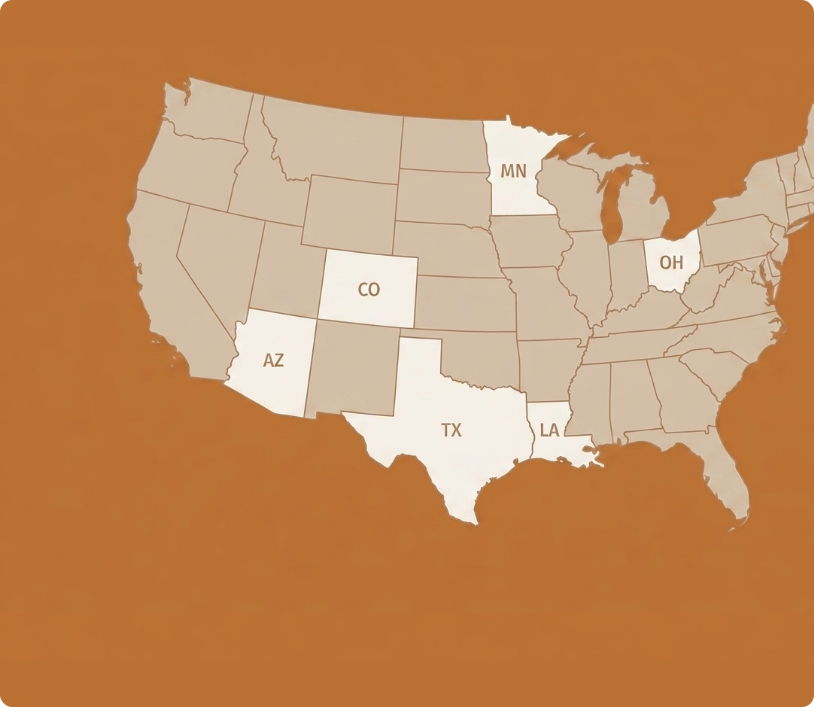
Lorem ipsum dolor sit amet, consectetur adipiscing elit. Suspendisse varius enim in eros elementum tristique. Duis cursus, mi quis viverra ornare, eros dolor interdum nulla, ut commodo diam libero vitae erat. Aenean faucibus nibh et justo cursus id rutrum lorem imperdiet. Nunc ut sem vitae risus tristique posuere.
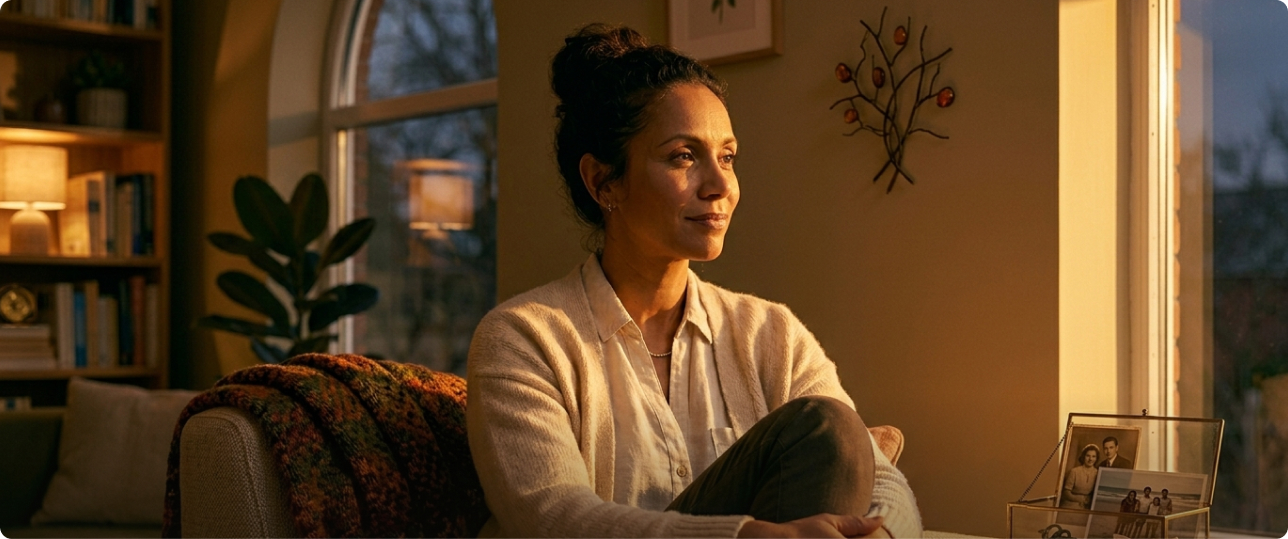
The Mother Wound Group is an online therapy group for adults healing from painful or complicated relationships with their mothers or early attachment figures. This group supports people who struggle with self-worth, boundaries, guilt, emotional neglect, people-pleasing, or feeling responsible for others’ emotions.
The Mother Wound Group (MWG) is based on the work of Kelly McDaniel and the attachment wound of never feeling good enough for our mother. MWG is designed is for women who struggle with people pleasing, boundaries, and self-worth/feeling inadequate.
Here are some questions to see if you are good candidate for group:
Topics that may be explored in sessions:
The benefits of group therapy. Group therapy is very impactful for attachment work because it lets us know we are not alone in this struggle and will find the supportive benefits of hearing our story in another person’s.
Find answers to common coaching and counseling questions.

This practice was built on the belief that healing is a right, not a luxury. Through trauma-informed group therapy, we create structured, compassionate spaces where real recovery becomes possible.